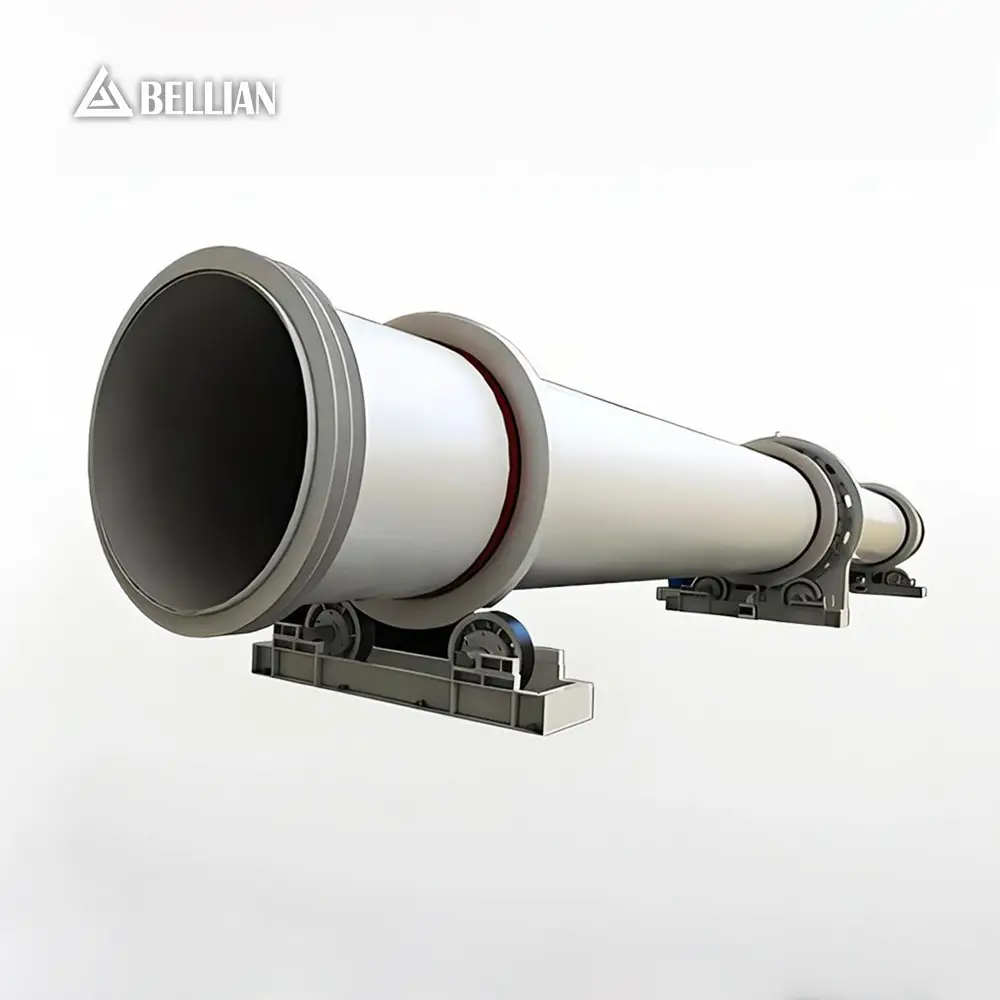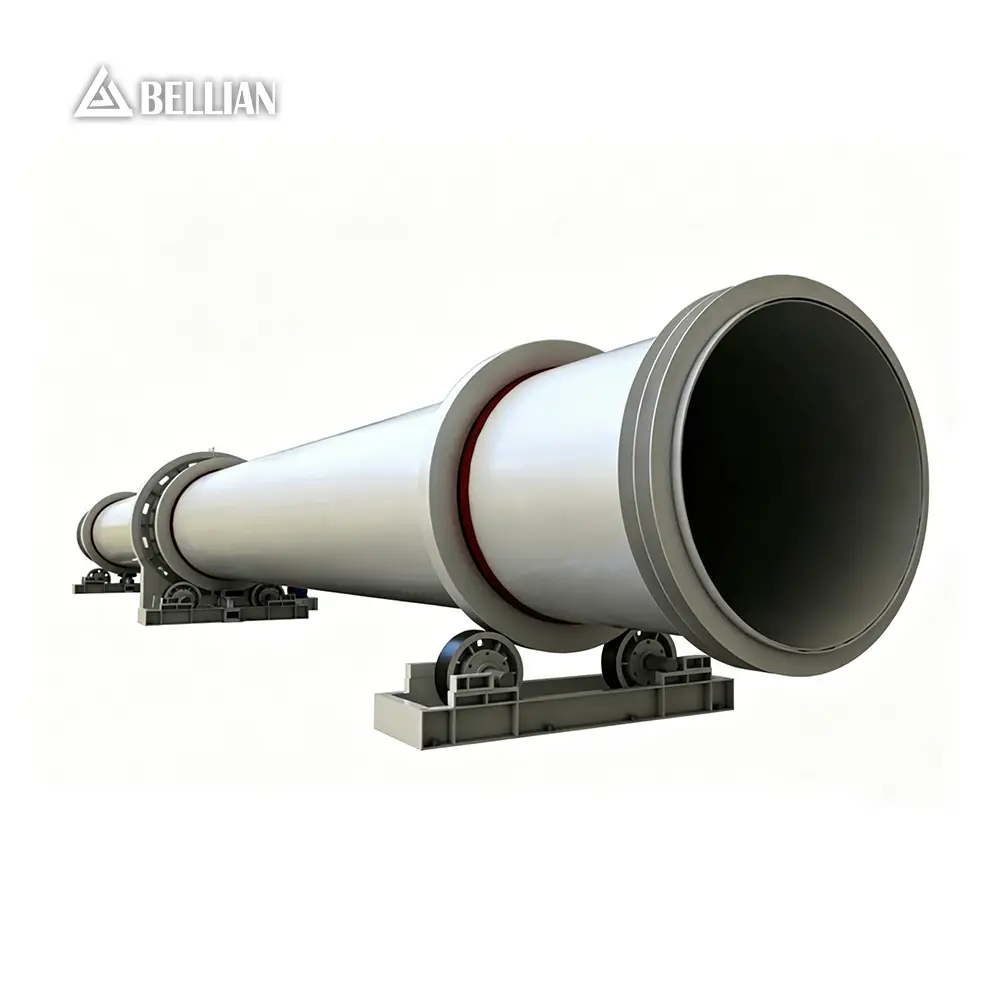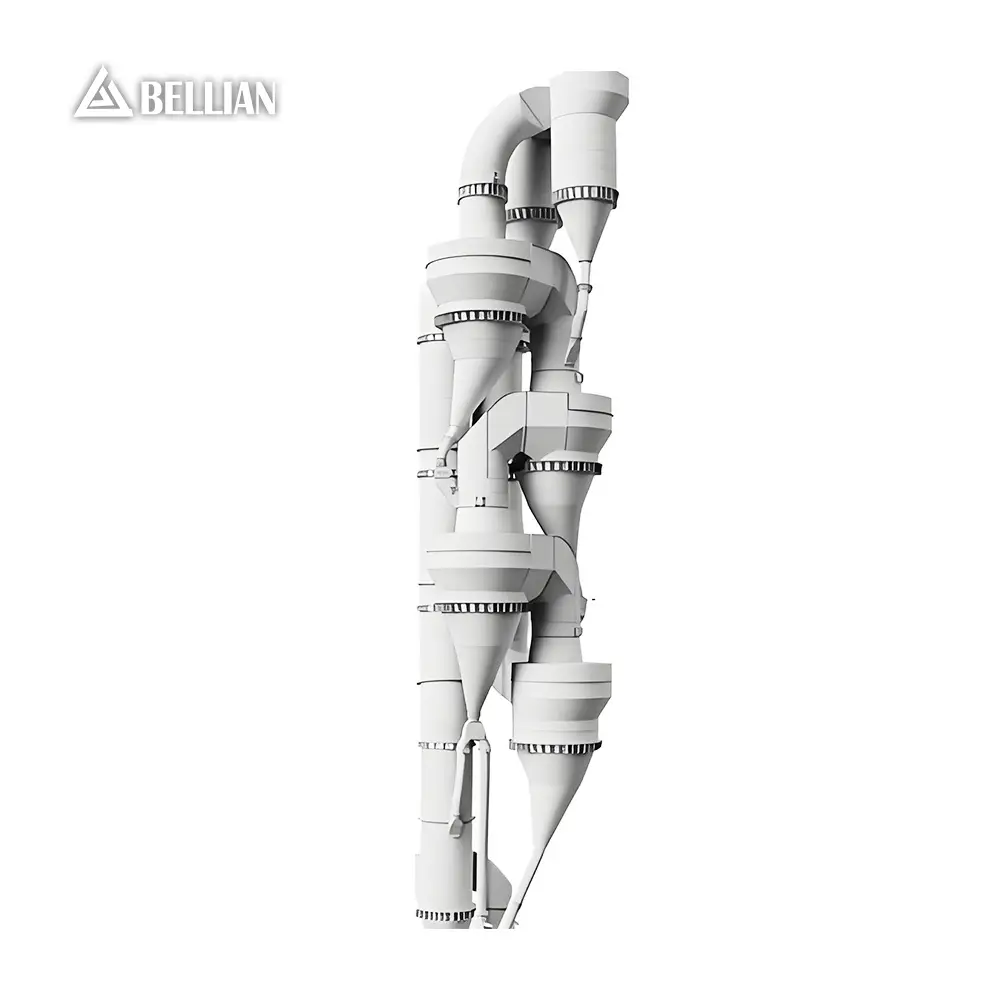
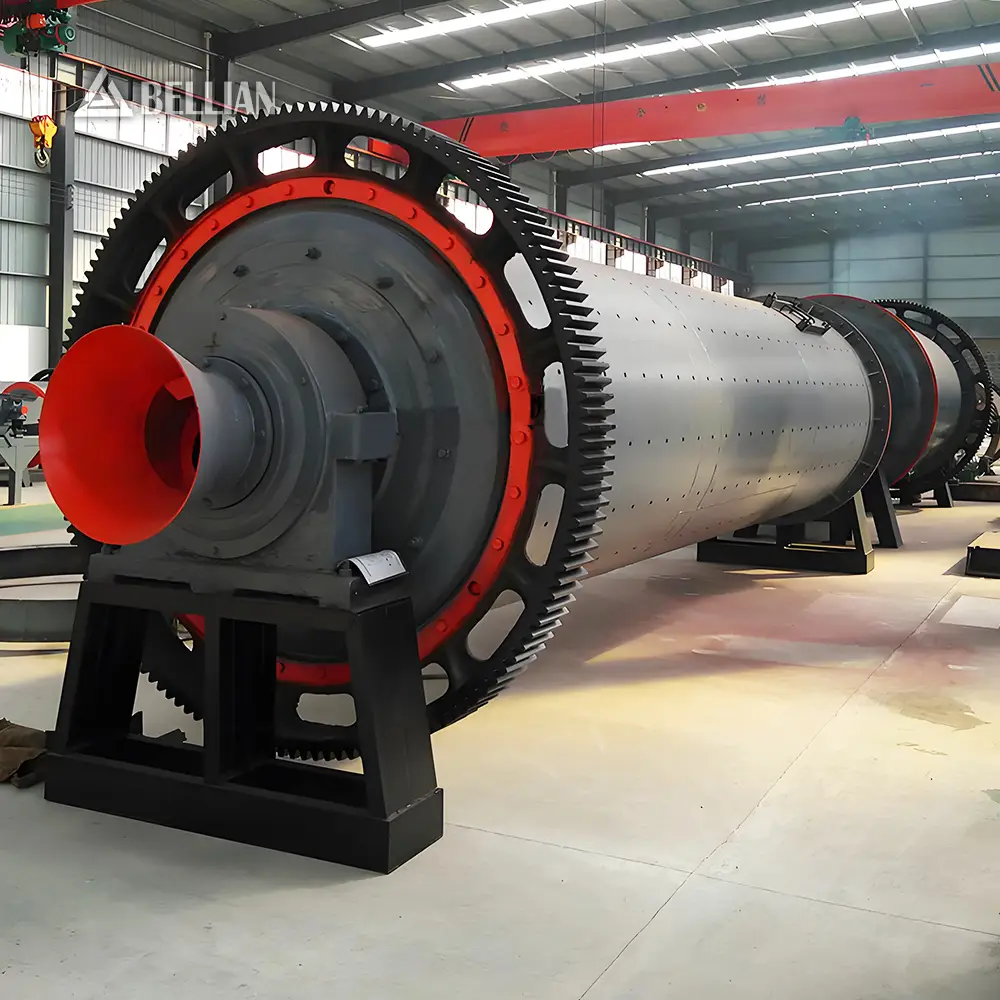
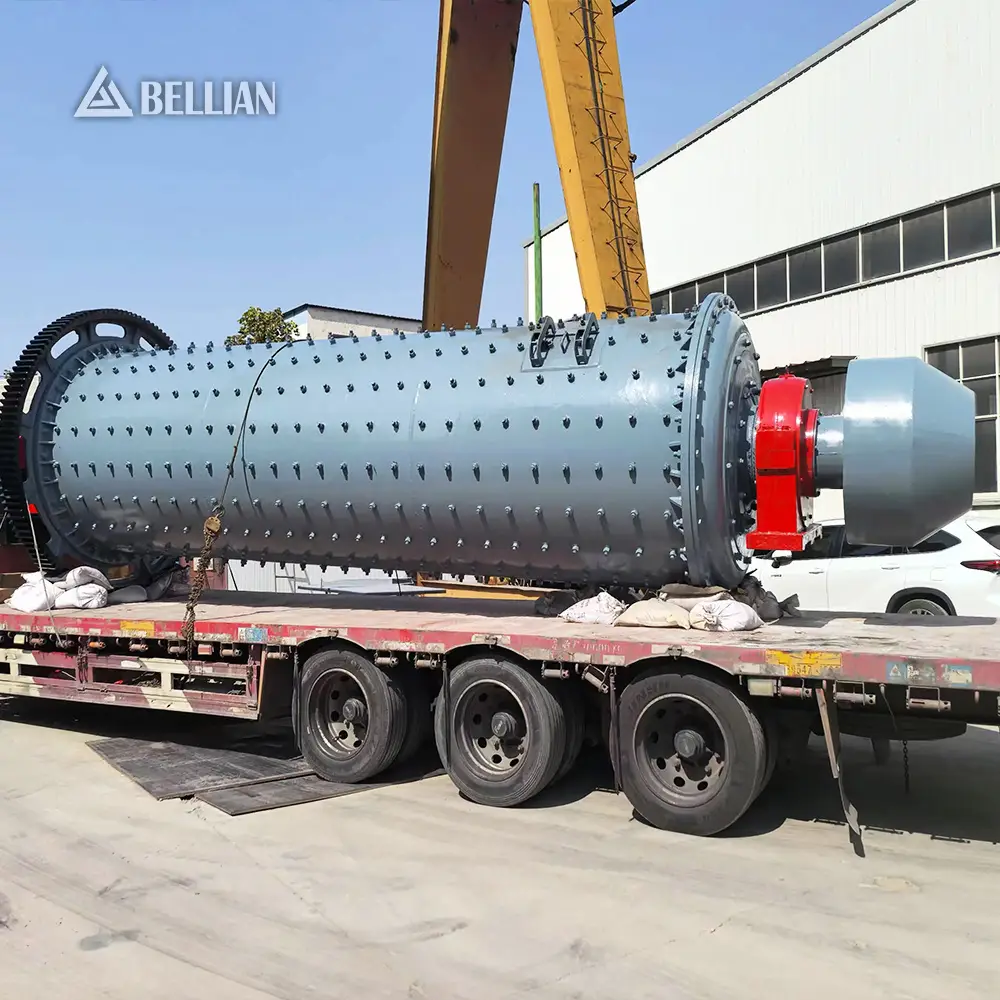
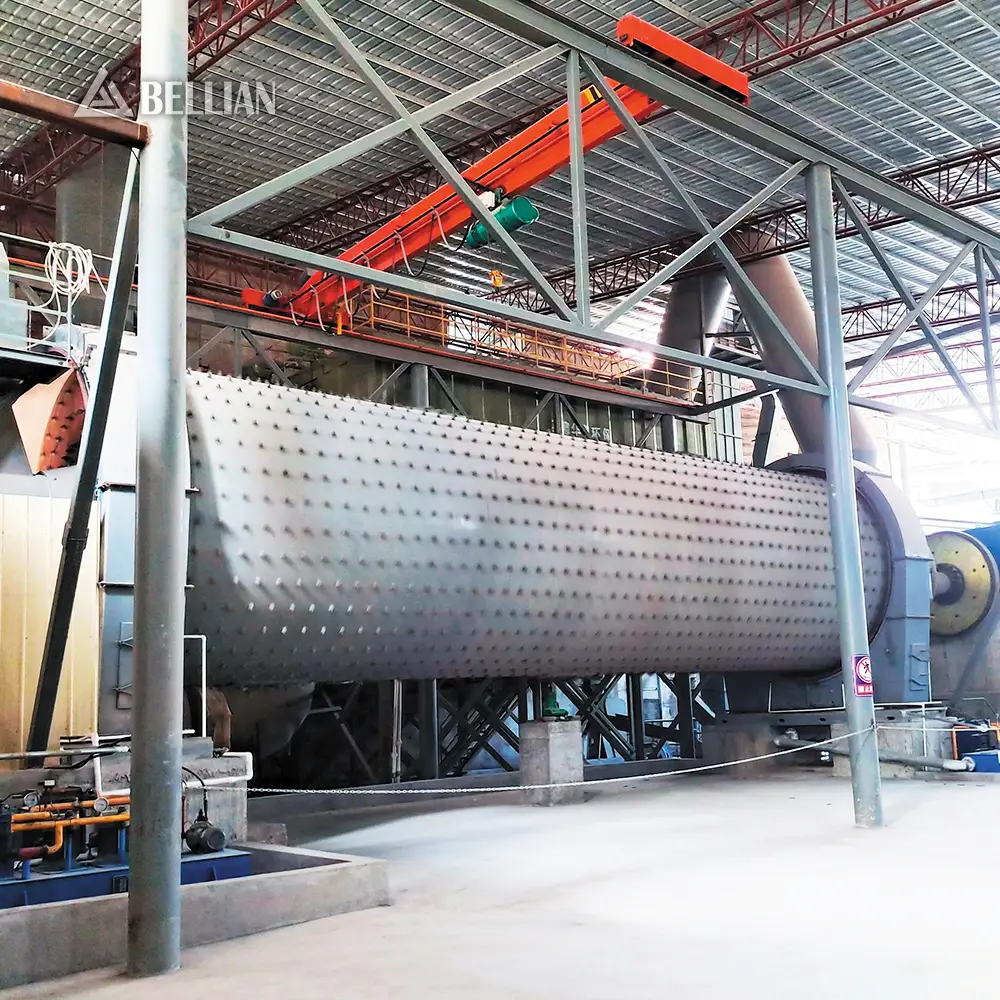
Products Description
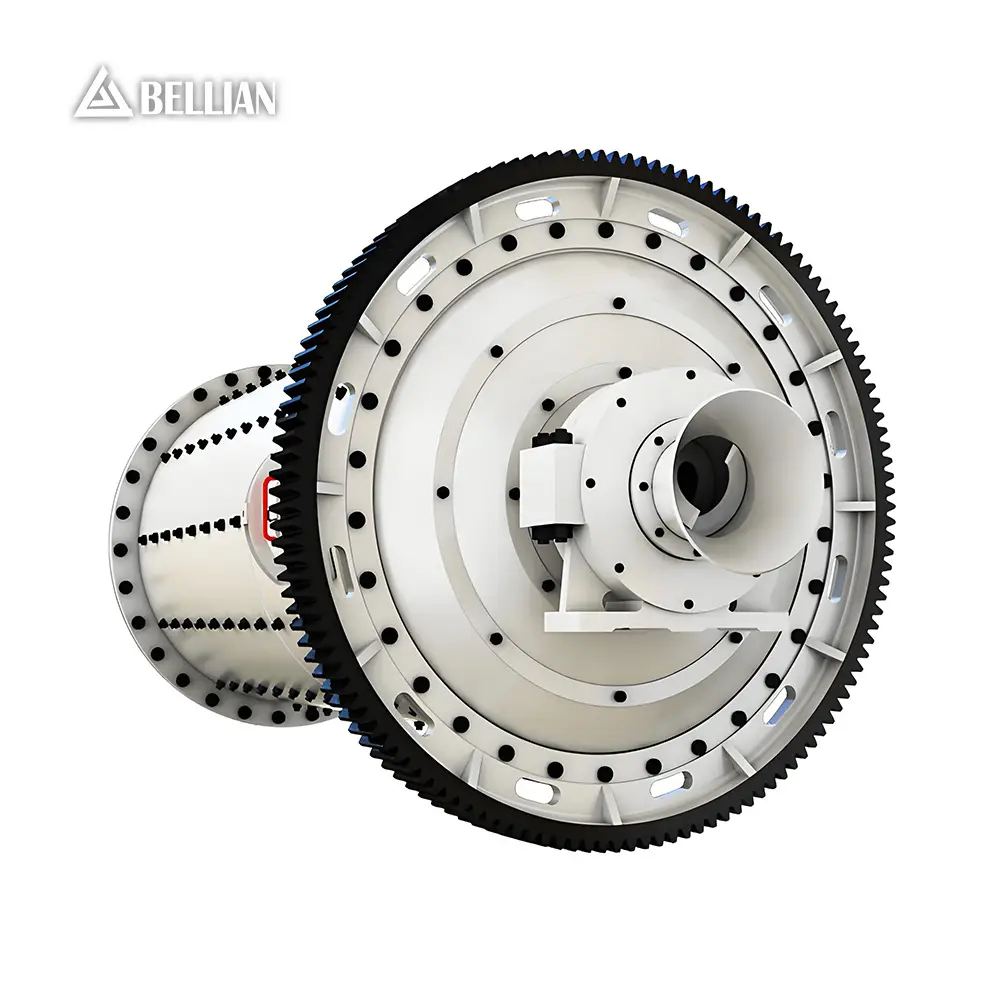
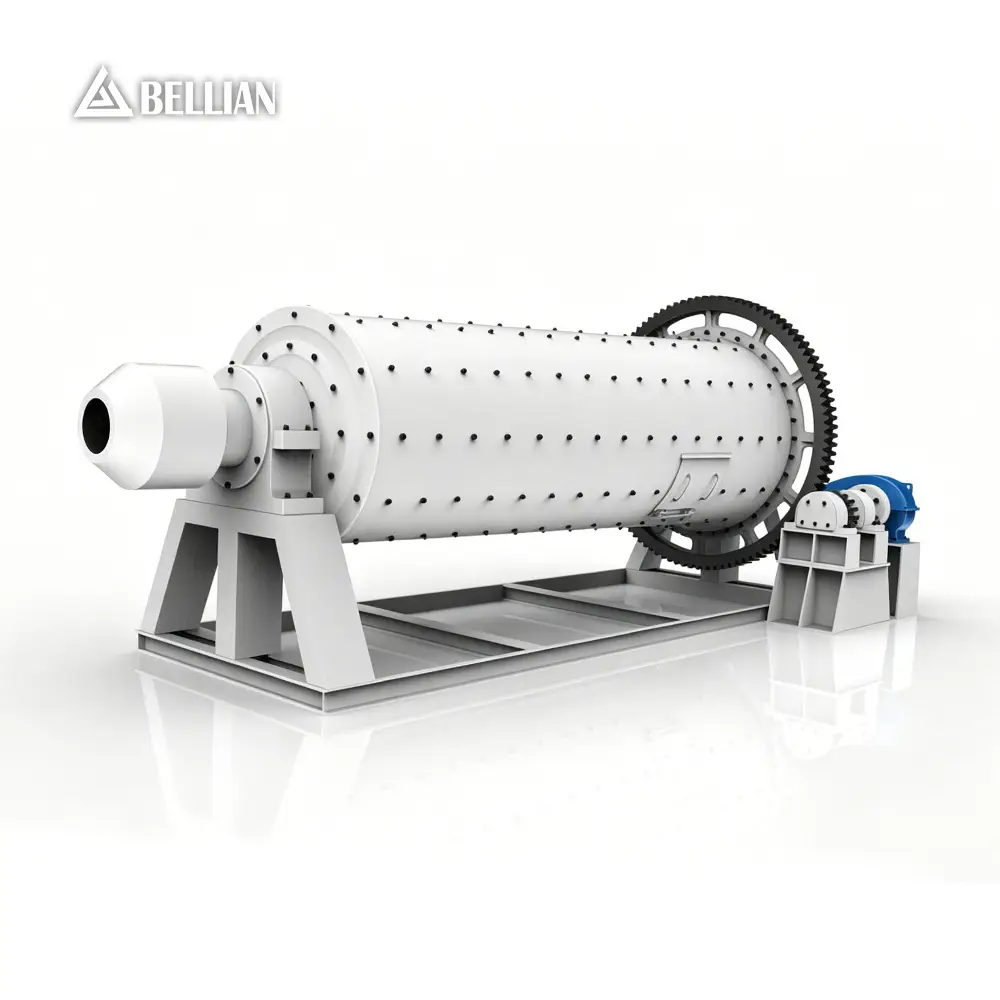
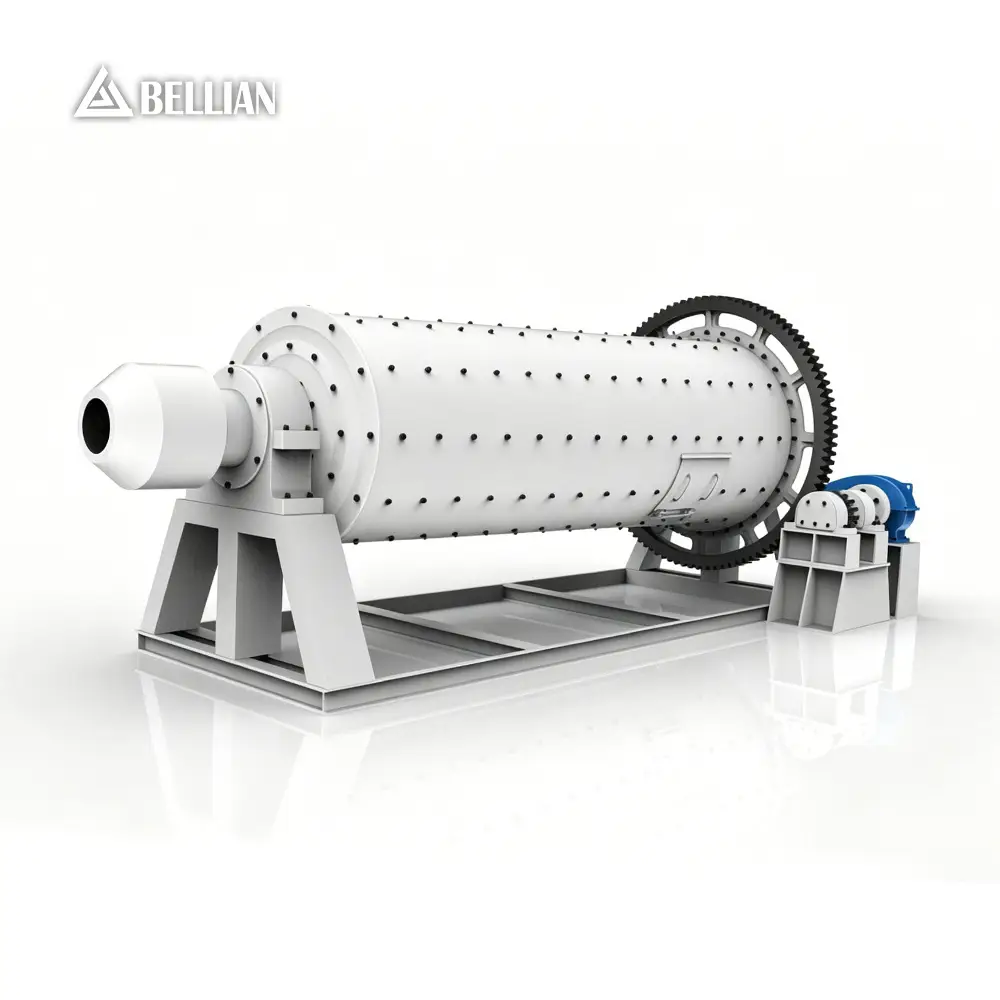
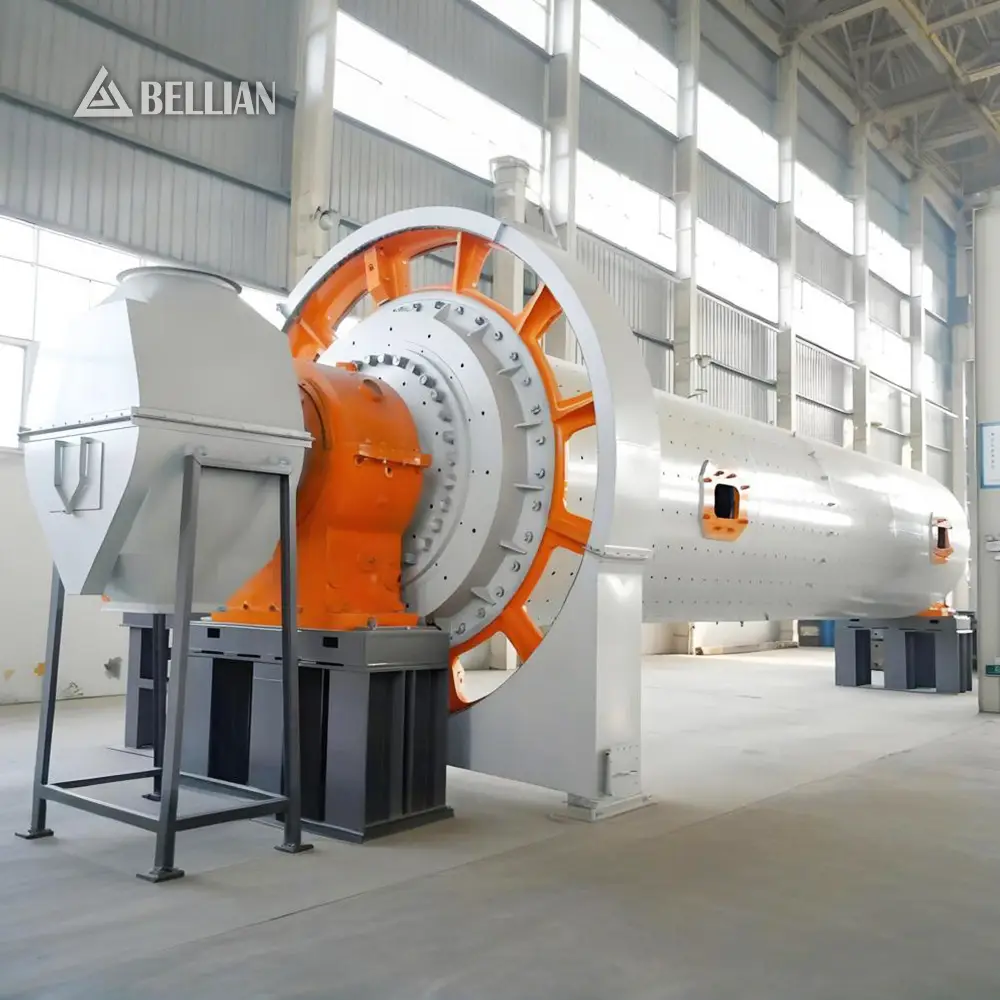
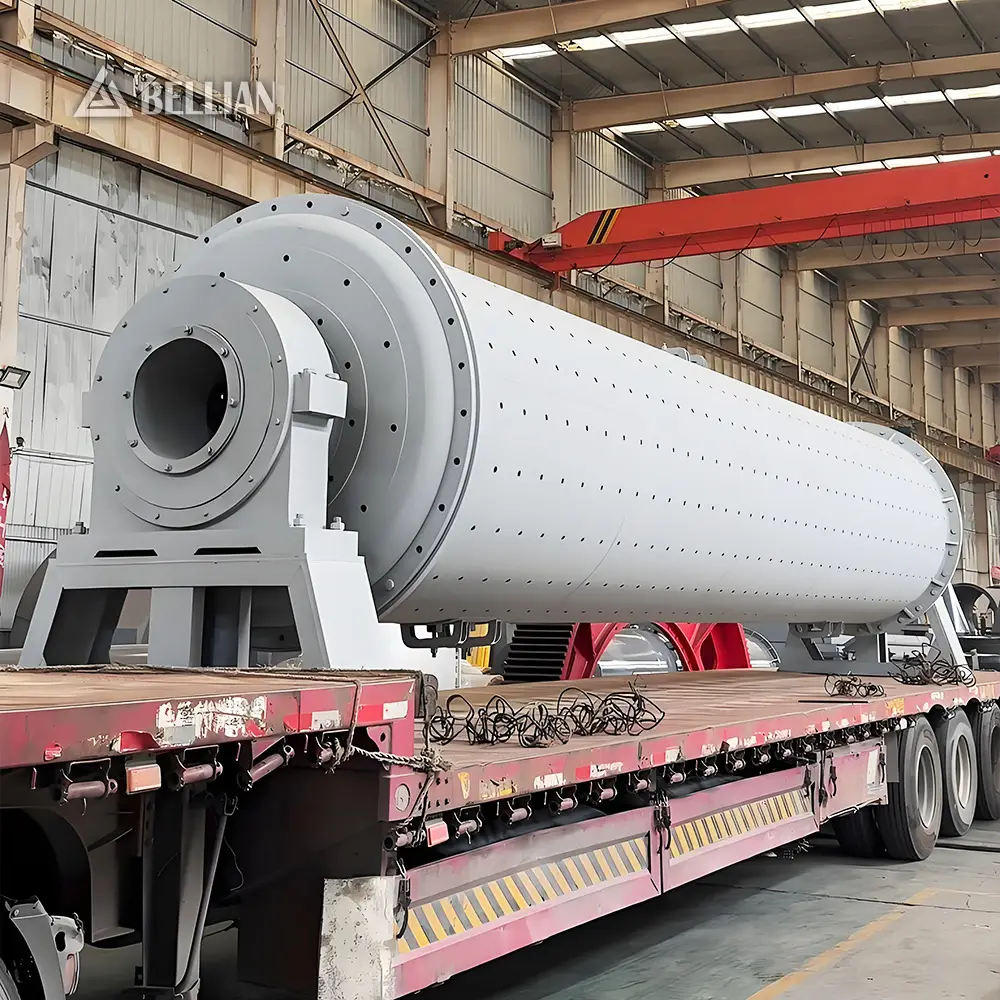
Bellian Cement Ball Mill is the key equipment for grinding raw materials and clinker in cement plants. It can also be used for grinding various ores and other materials in mining, metallurgy and chemical industries. Our cement ball mill adopts advanced structure design and high-quality wear-resistant materials, which improves grinding efficiency by 15% compared with traditional models. It can be divided into raw mill and clinker mill according to different uses.
Working Principle
The cement ball mill is a horizontal rotating cylinder filled with steel balls as grinding media. When the cylinder rotates, the steel balls are lifted by the lining plate and fall down, generating impact and grinding force on the materials. The materials enter the cylinder from the feeding end, are continuously crushed and ground into fine powder. The qualified powder is discharged through the discharge end, while the unqualified powder is returned to the mill for re-grinding. The whole grinding process is continuous and efficient.
Performance Features
Thickened steel plate cylinder, reinforced end cover, strong impact resistance, long service life
High manganese steel lining plate and high chromium steel balls, strong wear resistance, reducing maintenance cost
Optimized transmission system, equipped with large modulus reducer, stable transmission, high efficiency and energy saving
Can be equipped with air-swept system for raw material grinding, with integrated drying and grinding function
Wide capacity range from 10 t/h to 120 t/h, suitable for different production scales
Simple structure, reliable operation, easy maintenance, low operation cost
Technical Specifications
| Model | Cylinder Size (Diameter×Length m) | Rotation Speed (r/min) | Power (kW) | Capacity (t/h) | Feed Size (mm) |
|---|---|---|---|---|---|
| Φ2.2×7.5 | 2.2×7.5 | 21.4 | 280 | 10-15 | ≤25 |
| Φ2.4×10 | 2.4×10 | 20.4 | 380 | 15-25 | ≤25 |
| Φ2.6×13 | 2.6×13 | 19.5 | 560 | 25-40 | ≤25 |
| Φ3.0×11 | 3.0×11 | 18.7 | 800 | 40-65 | ≤25 |
| Φ3.2×13 | 3.2×13 | 18.0 | 1000 | 65-90 | ≤25 |
| Φ3.8×13 | 3.8×13 | 16.5 | 1600 | 90-120 | ≤25 |
Application Scenarios
Mainly used in cement plants for grinding raw meal and clinker. Also widely used in mining, metallurgy, chemical industry and other industries for grinding various ores and bulk materials. It is the core grinding equipment in the cement production process.
Buying Guide
When choosing a cement ball mill, you should consider: 1. The required production capacity; 2. The type of materials to be ground (raw meal or clinker); 3. The required fineness of the finished product; 4. The moisture content of the materials. We will recommend the most suitable model according to your specific needs.
FAQ
What is the difference between raw mill and clinker mill?
Raw mill is used for grinding raw materials (limestone, clay, iron ore, etc.) and usually has an air-swept system with drying function. Clinker mill is used for grinding cement clinker and usually has a closed-circuit system with a separator to ensure the fineness of cement.
What is the optimal ball loading ratio?
The optimal ball loading ratio for cement ball mill is generally 30-40% of the cylinder volume. We will provide you with the optimal ball loading ratio and steel ball size distribution according to your material properties and required fineness.
Can the ball mill grind materials with high moisture content?
For raw mill with air-swept system, it can grind materials with moisture content up to 15%. For clinker mill, the moisture content of materials should be below 1% to ensure grinding efficiency.
What is the service life of the lining plate?
The service life of the lining plate depends on the hardness of the materials. For raw meal grinding, the service life is about 1-2 years; for clinker grinding, the service life is about 6-12 months. We provide high-quality lining plates with preferential prices.